Personal menu
Search
You have no items in your shopping cart.
RSS

Blog

How to Transition Your Entire Plumbing Business to MLCP Without Downtime

How to Transition Your Entire Plumbing Business to MLCP Without Downtime

Making the strategic choice to modernize your business is one thing, but completely overhauling your daily workflows on active sites is another challenge altogether. Every heating engineer and commercial mechanical contractor in the UK knows that Multi-Layer Composite Pipe offers unmatched installation speeds and long-term reliability. Sourcing premium MLCP and fittings for your projects is the first step toward increasing your profit margins.

However, the biggest worry for most plumbing business owners isn't the material itself—it's the fear of operational disruption.

How do you retrain your team, invest in new kit, and reconfigure your van stock without turning away high-value clients or suffering costly delays on active jobs? Transitioning your entire business to an MLCP press system does not mean stopping work.

With a calculated, phased approach, you can upgrade your tools and techniques smoothly while keeping your daily income completely protected.

Phase 1: The Dual-Stock Staged Rollover

The most common mistake business owners make is trying to flip a switch overnight—throwing away all legacy plumbing fittings and forcing engineers to work exclusively with new materials instantly. This creates immediate friction, especially if an engineer encounters an unexpected on-site layout requiring an obscure adapter.

Instead, execute a structured, multi-stage inventory transition over a set period:

Phase StageAction PlanStocking Strategy
Weeks 1–2The Hybrid PhaseEquip your main vans with a standard starter kit of MLCP and fittings alongside their existing copper stocks. Mandate that all new, clean-run radiator or underfloor heating zones use MLCP, while complex plant room tie-ins can utilize traditional methods.
Weeks 3–4The Dominant PhaseShift the baseline van stock so that multi-layer coils make up 80% of your structural pipe inventory. Traditional copper should be reduced strictly to small service lengths and specialized transition fittings.
Week 5 OnwardThe Full OptimizationRemove loose copper components completely. Your inventory is now streamlined around high-efficiency press configurations, maximizing clear space in your vehicles.

Phase 2: Standardizing the Tooling

An efficient team requires uniform tooling. If you have three different engineers running three completely different press gun brands with incompatible jaw profiles, your maintenance schedule will quickly become a nightmare.

The Compatibility Rule: Standardize your fleet around a reliable system. Choose high-tier pressing platforms like Novopress or REMS, ensuring every engineer can seamlessly share jaws and accessories across different job locations.

To eliminate capital layout strain during this upgrade, prioritize your highest-revenue installation teams first. Equip your primary installation van with a top-tier electric gun and a comprehensive range of jaw profiles, allowing that team to quickly establish the core workflow. Use the increased profits and saved labor hours generated by that first vehicle to systematically fund the tooling upgrades for the rest of your fleet.

Phase 3: Mitigating the Real Risk of Downtime

The ultimate threat to a smooth transition isn't your staff learning how to use a pipe reamer; it's mechanical tool failure. If you purchase your new equipment from an uncertified online retail broker, you are exposed to significant business risks. If a tool develops a fault or reaches its mandatory service cycle count, an uncertified retailer will not provide an immediate replacement, leaving your field operations completely stalled.

To guarantee zero downtime, you need to partner with an authorized, full-service trade specialist.

Partner for Success with PressIt

At PressIt, we act as your dedicated business partner throughout your entire operational transition. Our fully integrated online store provides everything your business needs to scale up, allowing you to source high-grade MLCP and fittings alongside the highest tier of Press Fit Press Tools for plumbing. We stock state-of-the-art pressing tools, specialized jaws, and battery-powered guns from premium manufacturers, including Novopress, REMS, and Rothenberger.

Crucially, we understand that tool protection equals income protection. PressIt is an approved, fully authorized warranty and 5-star service agent for the UK's leading press tool brands, including Novopress and REMS. Our in-house technical workshop handles certified digital calibrations, rapid repairs, and warranty claims for all major brands of pipe tools across the UK and Ireland.

By sourcing your kit through PressIt, you secure an expert support network that provides fast turnaround times and technical assistance, ensuring your business stays operational and highly profitable every single day. Explore our complete range or contact our service workshop to plan your fleet transition today.

Is MLCP Cheaper Than Copper? A Real-World Cost Breakdown

For decades, copper has been the default benchmark for British plumbing. We all know how it behaves, how to clean it, and how to sweat a neat joint. But as raw material markets shift and project schedules tighten, heating engineers across the UK are looking critically at their balance sheets. More and more installers are swapping out their traditional metal tubes and stocking up on MLCP and fittings from our online store to keep their pricing competitive.

If you only compare the invoice cost of a 3-metre length of rigid copper to a 3-metre straight length of Multi-Layer Composite Pipe (MLCP), you might assume copper wins the affordability battle. However, calculating the true profitability of a heating system requires looking past raw material metrics.

To determine the most cost-effective solution, let’s analyze a real-world financial breakdown comparing traditional copper runs to modern MLCP installations.

The Raw Materials: Face-Value Costs

When evaluating base material costs, the initial numbers can be deceiving. Let’s look at typical trade pricing for a standard residential or small commercial layout:

  • Copper Pipework: Due to global market volatility, a standard 15mm copper tube averages roughly £3.50 per metre. Step up to 22mm for central heating flow and returns, and you are looking at £5.50 to £7.00 per metre.

  • MLCP Coils: Sourcing premium MLCP and fittings in bulk coils significantly lowers the raw cost. A high-quality 16mm multi-layer coil typically averages between £1.50 and £2.50 per metre, with 20mm equivalents tracking well below copper alternatives.

The Catch: While the raw tube is cheaper per metre, MLCP press fittings (tees, changers, and elbows) are highly engineered components that generally cost more apiece than standard solder fittings. If your pipework layout requires dozens of tight connections, the material cost gap can narrow quickly.

However, looking strictly at component invoices ignores the single biggest factor in your business overheads: labor hours.

The Stopwatch Factor: Where MLCP Wins the Bill

As a heating engineer, your most valuable asset isn’t the stock in your van; it’s your time. The average plumber or heating installer in the UK bills between £40 and £60 per hour. This is exactly where MLCP shifts from a competitive alternative to an absolute goldmine.

Because MLCP features a flexible aluminium core, it can be unrolled from a coil and bent around corners by hand or with a bending spring.

Consider how this structural flexibility impacts a typical radiator circuit install:

Installation StepTraditional Copper SolderModern MLCP Press Fit
Bending Around ObstaclesRequires manual pipe-bending tools or cutting and adding a 90-degree elbow fitting.Swept smoothly around joists and corners by hand in seconds.
Joint CountAn average domestic install can require up to 40+ individual soldered elbows and couplings.Up to 60% fewer physical fittings required because the pipe forms its own bends.
Connection SpeedMeasure, cut, deburr, clean, flux, heat with a torch, wipe, and inspect. (~3–5 mins per joint).Cut, ream, push the fitting home, and press with an electric gun. (Under 5 seconds per joint).

The Labor Math: On a full central heating installation or a multi-zone underfloor heating project, switching to an MLCP press system reduces total labor installation time by 40% to 60%. Saving 12 hours of on-site labor across a domestic project instantly translates to roughly £500 to £700 in saved business expenses—far outweighing any difference in fitting costs.

Eliminating Sacrificial Site Overheads

Beyond basic material and labor costs, relying on copper brings several hidden expenses that cut directly into your profit margins:

  • Hot Works Permits & Insurances: Operating a blowtorch on commercial sites requires safety permits, formal risk assessments, and an unproductive one-hour "fire watch" period before you can go home. MLCP press tools use cold mechanical joints, allowing you to walk off site the moment the last press click finishes.

  • Material Scrappage and Theft: Offcuts of copper tube are treated like currency by site thieves. Leaving copper in an un-secure van overnight is a massive liability. MLCP holds zero scrap metal value, rendering it useless to thieves and lowering your stock loss risks.

Protect Your Margins with Serviced Tools from PressIt

To consistently unlock massive labor savings on your MLCP installations, you need to ensure your physical press tools are performing at factory specifications. A mismatched jaw profile or a hydraulic pressure drop will lead to under-crimped fittings, resulting in costly, profit-draining leak repairs down the line.

At PressIt, we support professional installers by stocking everything required to scale up production. Our digital store is fully provisioned with premium MLCP and fittings alongside the highest tier of Press Fit Press Tools for plumbing. We supply advanced pressing tools, calibrated jaws, and electric guns from industry-leading manufacturers including Novopress, REMS, and Rothenberger.

Crucially, we ensure your tools remain a reliable business asset. PressIt is an authorized warranty and 5-star service agent for major plumbing press tool brands like Novopress and REMS. Our expert technicians handle high-accuracy digital calibrations, diagnostic testing, and rapid repairs for all makes and models of pipe tools across the UK and Ireland.

By upgrading to an MLCP workflow and partnering with PressIt for your ongoing tool maintenance, you can complete jobs faster, trim down project overheads, and take home more profit from every single quote. Explore our range or book your tools in for a precision service today.

What Happens During a Press Tool Service? (And Why Buying From a Box-Shifter is a Risk)

What Happens During a Press Tool Service? (And Why Buying From a Box-Shifter is a Risk)

Investing in a professional press fit system completely changes the speed and efficiency of your business. Dropping heavy copper tubes and messy blowtorches in favour of high-grade MLCP and fittings allows you to breeze through tasks, getting jobs completed up to 60% faster. However, your entire business model now relies on a highly sophisticated piece of electro-hydraulic machinery.

When you purchase premium equipment, it can be tempting to buy from the cheapest online "box-shifter" just to save a few quid on the initial invoice. But what happens when that machine hits its service threshold, flashes an error light, or loses its calibration on a major site?

A standard internet merchant doesn't know how a press gun works; they simply move boxes from a warehouse shelf onto a delivery truck. If your tool fails, they will tell you to contact the manufacturer directly, leaving you facing weeks of site downtime and lost income.

Understanding exactly what happens during a professional press tool service highlights why your choice of tool partner is just as critical as the quality of the MLCP and fittings you install.

Step-by-Step: Inside a 5-Star Service Workshop

A press tool service is far more than a quick wipe-down and an oil top-up. These tools generate over 30 kilonewtons of force to squeeze metal sleeves into airtight bonds. To achieve that safely, every component must be structurally perfect.

A certified technician handles your equipment using a highly regulated, multi-stage maintenance workflow:

1.Diagnostic Log Readout:

Modern guns from brands like Novopress and REMS feature internal microprocessors. Technicians plug the tool into a diagnostic computer to read the cycle history, track real-world errors, and check the tool's overall health log.

2.Full Strip and Internal Deep Clean:

The mechanical housing is opened to expose the internal drive components. On-site dust, copper filings, structural grit, and degraded lubricants are thoroughly flushed out to protect the mechanical gears.

3.Hydraulic System Overhaul:

The old hydraulic fluid is fully drained. The high-pressure seals, O-rings, and release valves are inspected for microscopic tears and replaced before the system is filled with fresh, high-grade hydraulic oil.

4.Jaw Profile Inspection:

The pressing jaws and springs are checked for metal fatigue or hairline stress cracks under magnification. The structural retaining pins are tested to make sure the jaw locks onto your chosen MLCP and fittings flawlessly.

5.Digital Load-Cell Calibration:

The tool is placed into a specialized digital pressure rig. Technicians trigger the tool multiple times to confirm it exerts the exact kilonewton output required by the manufacturer. Once passed, an official calibration certificate is generated.

The Box-Shifter Risk: The True Price of Cheap Sourcing

When a main contractor walks onto a commercial site, they will often ask to see the calibration certificates for your press tools. If your certificate is expired or missing, you can be ordered off the site immediately.

If you bought your tool from an uncertified box-shifter, you are entirely on your own when trying to organize a legal calibration. You will have to pack up your kit, find an independent laboratory, pay premium external rates, and wait weeks for its return.

The Downtime Calculation: If an unserviced tool forces you off a site for two weeks, the cost of that lost labor can easily exceed thousands of pounds. Suddenly, that small initial discount from the box-shifter looks like an incredibly expensive mistake.

Keep Pressing Forward with PressIt

At PressIt, we believe that when you buy a premium plumbing tool, you are purchasing an ongoing relationship, not just a plastic case. We supply the absolute best in Press Fit Press Tools for plumbing, allowing installers to source industry-leading tools, jaws, and guns from Novopress, REMS, and Rothenberger directly from our online store.

Crucially, we back every single sale with our expert, in-house technical setup. PressIt is an approved warranty and 5-star service agent for the UK's most popular plumbing press tool brands, including Novopress and REMS.

Our technicians repair and calibrate all brands of pipe tools across the UK and Ireland. Because we maintain an extensive inventory of genuine factory spare parts and replacement jaws, we can handle your annual calibrations and emergency repairs with incredibly fast turnaround times, ensuring your business suffers zero unnecessary downtime.

Don't leave your primary source of income to the luck of an anonymous internet box-shifter. Protect your tools, protect your site warranties, and partner with a dedicated trade specialist who keeps your business pressing smoothly.

The Hidden Cost of Uncalibrated Jaws: Are Your MLCP Joints Actually Leak-Free?

One of the greatest feelings in modern plumbing is finishing a major installation, turning on the mains, and watching a system hold pressure perfectly. When you install premium MLCP and fittings, you are putting your faith in a highly engineered connection designed to last for generations. The speed, neatness, and structural integrity of multi-layer composite pipe have revolutionized the UK plumbing trade.

However, there is a silent threat that can jeopardize even the neatest installation. Just because an MLCP joint looks perfectly pressed from the outside, and just because it passes a rapid on-site pressure test, does not guarantee it is genuinely leak-free.

If you are operating with an uncalibrated press tool or worn-out jaws, you are essentially sitting on a financial time bomb. Let's look into the hidden mechanics of the press-fit workflow, how subtle tool wear causes major system failures, and why regular tool maintenance saves your business thousands of pounds.

The Illusion of a Perfect Press

To understand why calibration is critical, we have to look closely at how a press fitting seals against the pipe wall. Inside the metallic sleeve of an MLCP fitting sit precision-engineered rubber O-rings. When your press gun cycles, the profile jaws must exert an immense, mathematically precise amount of force—often between 19 and 32 kilonewtons, depending on the tool size—to permanently deform the metal sleeve around those O-rings.

When a jaw profile falls out of calibration through standard wear and tear, or when the hydraulic fluid in the gun degrades, that compression force drops.

  • The Danger Zone: The tool might still cycle completely. The jaws will close, and the fitting sleeve will show a physical crimp mark. To your eye, it looks completely identical to a solid joint.

  • The False Positive: This under-crimped joint will often pass a standard initial air or water pressure test. Because the rubber O-ring is slightly compressed, it holds back immediate pressure.

The real disaster happens months later. As heating systems cycle between hot and cold, the copper, plastic, and brass elements contract and expand. Under the continuous stress of these thermal cycles, an under-crimped sleeve will slowly relax, allowing the O-ring to shift. Suddenly, you receive a catastrophic emergency call-back for a hidden leak behind a freshly tiled wall or above a high-end commercial ceiling.

The Compounding Costs of Tool Neglect

Ignoring your press tool’s service schedule is an incredibly expensive way to run a business. A single major leak call-back on a commercial or residential contract can instantly wipe out your entire profit margin for the project.

Beyond the immediate water damage rectification costs, look at what else is on the line:

Risk FactorUncalibrated Tool Consequence
Insurance LiabilitiesMost major insurance providers and main contractors mandate documented proof of tool calibration. If a joint fails and your service certificate is expired, your claim could be flatly denied.
Manufacturer WarrantiesPremium manufacturers of MLCP and fittings offer extensive system warranties (often up to 25 or 50 years). However, these warranties are immediately voided if it is proven the joint was crimped with an uncalibrated jaw.
Reputational DamageWord travels fast in the trade. Consistently returning to site to fix leaking press joints ruins your relationship with main contractors and high-value clients.

Protect Your Investment with PressIt

Your press gun isn't just another piece of kit in the back of the van; it is the absolute heartbeat of your daily business. To ensure every connection you make is genuinely secure, your tools require routine preventative maintenance.

At PressIt, we make it our mission to keep the UK and Ireland’s plumbing fleets operating at peak precision. In our comprehensive online store, you can quickly source top-tier MLCP and fittings alongside the highest quality Press Fit Press Tools for plumbing. We stock state-of-the-art pressing tools, specialized jaws, and electric guns from industry-leading manufacturers, including Novopress, REMS, and Rothenberger.

Crucially, we don't believe in just selling a box and walking away. PressIt is an approved, fully authorized warranty and 5-star service agent for major plumbing press tool brands like Novopress and REMS. From our advanced workshop bases, our technical experts perform high-accuracy digital load-cell testing, mechanical diagnostics, jaw alignment corrections, and certified calibrations for all major pipe tool brands across the UK and Ireland.

Don't leave your reputation to chance or rely on the illusion of a good crimp. Keep your business running smoothly, protect your manufacturer warranties, and book your press tools in for a precision service with PressIt today.

Why UK Installers are Swapping Copper for MLCP (And How Much Time It Actually Saves)

If you walk onto any major UK commercial or residential site today, the traditional soundtrack of plumbing is changing. The hiss of blowtorches and the scratch of steel wool are being replaced by the clean, mechanical click of a press gun sealing Multi-Layer Composite Pipe (MLCP). UK installers are rapidly moving away from traditional copper plumbing, opting instead for high-performance MLCP and fittings to keep their projects moving.

This isn't just a temporary trend or a lazy preference; it represents a major industry shift driven by raw economics, safety standards, and project efficiency. If you are still relying on traditional solder or expensive copper press systems, you are likely losing dozens of billable labor hours every week.

The Real-World Stopwatch: Solder vs. MLCP Press Fit

Let's break down the actual mathematics of a typical installation on site. Think about the physical steps required to install a standard hot and cold water run using traditional copper:

  1. Measure out the rigid pipe lengths.

  2. Cut the copper, deburr the internal edges, and clean the outer surface with wire wool.

  3. Apply flux to the pipe and fitting.

  4. Set up your heat proof mats, strike your torch, heat the joint, and feed the solder.

  5. Wait for the joint to cool down completely, wipe away the toxic excess flux, and visually inspect for pinholes.

Now, contrast that entire laborious process with modern MLCP and fittings from an online store. With a quality multi-layer system, the install process drops down to three swift steps: Cut, Calibrate, and Press.

Because MLCP combines the flexibility of plastic with the rigid strength of an aluminum core, you can unroll it and bend it easily around corners by hand. This completely eliminates the need for dozens of 90-degree elbows, instantly cutting your fitting count by more than half. When you do need to make a solid joint, you simply slide the press fitting on and use an electric press gun. The gun completes a secure, permanent, leak-free connection in less than five seconds.

The Time-Saving Reality: On an average domestic property or small commercial project, switching from soldered copper to an MLCP press system reduces total labor installation time by up to 40% to 60%. A job that used to tie up two installers for a full day can now be comfortably finished before lunch by a single engineer.

Three Reasons Why the Trade is Making the Switch

Beyond the undeniable stopwatch advantage, shifting your everyday supply chain toward MLCP and fittings addresses three major challenges modern plumbing businesses face:

  • Zero Hot Works Permits: Carrying a naked flame on a modern site means dealing with expensive hot works permits, safety sign-offs, and mandatory fire watch periods after you pack up. A press system completely eliminates fire hazards, meaning you can pull up on site and start earning money immediately.

  • Drastically Lower Material Theft Risk: Copper prices fluctuate wildly, making raw copper tubes left in an un-secure van or storage container a primary target for site thieves. MLCP holds zero scrap value, giving business owners peace of mind overnight.

  • Perfect Uniformity on Every Joint: Human error is a major financial risk. If you drop focus on your fiftieth solder joint of the day, you risk a catastrophic leak call-back. A calibrated press tool delivers the exact same mechanical pressing force every single time, giving you a perfect seal.

Don't Let a Broken Tool Cause Costly Downtime

Moving over to a rapid MLCP workflow means your business relies directly on the health of your electric power tools. If your press gun loses its calibration mid-job or suffers a battery circuit failure, your entire site grinds to an expensive halt.

That is why you shouldn't buy your kits from standard online "box-shifters" who drop-ship tools but offer zero after-sales technical support.

At PressIt, we only supply the very best in professional Press Fit Press Tools for plumbing. Installers can find top-tier pressing tools, jaws, and guns from industry-leading brands like Novopress, REMS, and Rothenberger right in our store.

Crucially, we don't just supply the gear—we keep your business moving. PressIt is an approved warranty and 5-star service agent for major plumbing press tool brands, including Novopress and REMS. Our dedicated in-house technical team handles precision testing, digital calibrations, and quick turnaround repairs for all brands of pipe tools across the UK and Ireland, ensuring you experience zero unnecessary downtime on the job.

Ready to upgrade your workflow, slash your labor hours, and back your business with true technical support? Explore our complete range of press guns, or stock up on premium components for your next project today.

MLCP vs. Plastic Push-Fit: Why Commercial Contracts Demand Press-Fit Systems

MLCP vs. Plastic Push-Fit: Why Commercial Contracts Demand Press-Fit Systems

When you are bidding for high-value commercial plumbing and heating contracts in the UK, the material choices you present can make or break your tender. While plastic push-fit plumbing has found a home in quick domestic maintenance and DIY fixes, it simply does not hold up under the strict scrutiny of commercial site specifications. Instead, modern tier-one contractors and mechanical engineers are heavily mandating the use of multi-layer composite pipe (MLCP) systems. Securing these lucrative contracts requires moving away from temporary connection methods and stocking up on commercial-grade MLCP and fittings designed to withstand the rigours of large-scale infrastructure.

For a commercial installer, substituting a professional press-fit specification for a basic push-fit alternative is a short-sighted gamble. Let’s explore the technical and commercial reasons why main contractors demand MLCP, and why push-fit is increasingly banned from major commercial construction sites.

1. The High Stakes of Commercial Joint Integrity

In a standard residential property, a minor joint failure might damage a single ceiling plasterboard. On a commercial project—such as an office block, hotel, or high-rise apartment complex—a single leaked connection can ruin millions of pounds worth of electrical risers, server rooms, and finished fit-outs.

Plastic push-fit fittings rely entirely on internal rubber O-rings and grab-rings to grip the outside of a plastic pipe. Over time, building movement, thermal expansion, and intense commercial water pressure cycles can cause these grip mechanisms to fatigue or slip.

Modern MLCP and fittings utilise a permanent, mechanical press-fit connection. Using a calibrated professional press gun, the metal sleeve of the fitting is permanently deformed around the multi-layer pipe. This creates an unyielding, uniform, and irreversible mechanical bond. Once an MLCP joint is pressed, it becomes structurally continuous with the pipework, removing human error and offering unparalleled pressure ratings that push-fit simply cannot match.

2. Thermal Expansion and "Oozing" Pipes

Commercial heating systems run at higher constant temperatures and face significantly greater thermal stresses than domestic systems. Standard plastic push-fit pipe expands drastically when exposed to hot water, causing it to snake, sag, and bow between pipe clips. This structural shifting looks highly unprofessional on exposed commercial runs and creates dangerous stress points on joints.

MLCP solves this through its advanced engineered construction. It features an internal aluminium core sandwiched between layers of cross-linked polyethylene. This metallic core gives the pipe the structural rigidity of traditional copper. When you run hot water through premium MLCP and fittings, the thermal expansion is negligible. The pipe holds its shape perfectly, stays straight in the brackets, and maintains a neat, professional appearance that passes stringent clerk-of-works inspections with flying colours.

3. Defending Your Work with Visual Quality Assurance

On a busy commercial site, project managers require absolute certainty before signing off a system for pressure testing. Push-fit connections offer no definitive visual proof that the pipe is fully inserted or that the joint is secure; you simply have to trust the installer's hand-feel.

Press-fit MLCP systems feature integrated inspection windows on the fittings, allowing supervisors to visually verify that the pipe is pushed home perfectly before the tool is even applied. Furthermore, un-pressed joints leak immediately during low-pressure testing, allowing you to catch any oversights long before the building is handed over.

Protect Your Commercial Reputation with PressIt

Winning commercial contracts means operating like a tier-one professional, which requires investing in the proper tools of the trade. If your business relies on press-fit installations, you cannot afford to have your tools fail on site.

At PressIt, we support commercial contractors across the country by supplying the absolute best in Press Fit Press Tools for plumbing. Our online store is fully stocked with premium pressing tools, jaws, and guns from world-renowned manufacturers including Novopress, REMS, and Rothenberger.

Because tool reliability is vital to your business continuity, we don't just sell hardware—we provide life-cycle support. PressIt is an authorised warranty and 5-star service agent for market-leading plumbing press tool brands like Novopress and REMS. Our expert technicians manage precise digital calibrations, comprehensive safety checks, and rapid turnaround repairs for all brands of pipe tools throughout the UK and Ireland.

Don't miss out on lucrative commercial tenders because of outdated jointing methods. Upgrade your fleet, secure your components, and partner with a technical team that keeps your business pressing forward.

The Installer’s Guide to MLCP: What is the Best Profile (U vs. TH) for Your Fittings?

The Installer’s Guide to MLCP: What is the Best Profile (U vs. TH) for Your Fittings?

Transitioning from traditional copper to Multi-Layer Composite Pipe (MLCP) is one of the smartest business moves a modern UK plumbing or heating engineer can make. However, once you decide to upgrade your workflow, you are immediately confronted with a critical technical hurdle: choosing the correct jaw profile. Unlike standard copper press systems, which predominantly use M or V profiles, the MLCP market is split into distinct internal geometries. Finding the right MLCP and fittings for your system heavily relies on understanding the differences between the two industry heavyweights: U profile and TH profile.

Using the wrong profile on a commercial or domestic install is a recipe for a catastrophic on-site failure. To help you navigate the choice, this guide breaks down exactly how U and TH profiles differ, which one you should choose, and why your tool setup matters.

What Do "U" and "TH" Actually Mean?

When you look at an MLCP press fitting before it is joined, you will notice a metal sleeve surrounding the plastic insert. The letters U and TH refer to the specific configuration of the ridges inside the pressing jaw, which correspond to the shape and spacing of the plastic or brass shoulders on the fitting.

  • U Profile: Designed with a distinct U-shaped indentation. The jaw cradles the fitting sleeve tightly, and when the tool cycles, it indents the metal sleeve uniformly around the dual internal rubber O-rings.

  • TH Profile: Features a more rounded, distinct contour. The jaw has specific ridges that physically lock over matching plastic collars or rings on the fitting sleeve before pressing, ensuring the tool cannot slide or align incorrectly.

Because they grip the sleeve at different intervals, a U profile jaw will crimp a TH fitting in the wrong location, likely crushing the plastic body or missing the internal O-rings entirely. This results in an incomplete mechanical seal that might pass an initial pressure test but blow off under long-term thermal expansion cycles.

U vs. TH: Which One is the "Best"?

Technically speaking, neither profile is inherently "better" at holding water than the other. Both systems deliver an incredibly robust, 50-year mechanical bond when matched correctly with the corresponding MLCP and fittings. The question of which is best for your business depends entirely on system compatibility and manufacturer choice.

To choose the right profile, look at who manufactures your preferred pipe system:

When to Choose U Profile

The U profile is exceptionally popular across mainland Europe and the UK, serving as the default choice for major brands like Uponor (Unipipe). If you plan to source a wide variety of independent European brass press fittings, you will find U-profile compatibility widely supported across the industry.

When to Choose TH Profile

The TH profile is heavily championed by premium technical brands such as Emmeti (Gerpex) and Maincor. Many installers prefer TH fittings because the jaw physically locks into the plastic guide ring on the fitting, making it nearly impossible to execute a misaligned press on site.

Important Site Tip: Some modern multi-jaw fittings (like Wavin Tigris K5 or Brymec) feature engineered bodies compatible with both U and TH profiles. However, always check the manufacturer’s technical data sheet to ensure your specific jaw configuration carries WRAS (Water Regulations Approval Scheme) approval for potable water systems.

Don't Guess Your Press: Back Your Business with PressIt

No matter which system you settle on, your installation is only as reliable as the calibrated tool in your hand. If your jaw profile is mismatched, or your tool's pressing force drops below specification, you risk expensive system failures.

At PressIt, we are the trade experts who take the guesswork out of press-fit technology. When you browse our online store, you can find all the premium MLCP and fittings your business needs, alongside the highest quality Press Fit Press Tools for plumbing. We supply a comprehensive selection of tools, jaws, and guns from world-leading brands like Novopress, REMS, and Rothenberger.

Crucially, we understand that site tools require absolute precision. PressIt is an approved warranty and 5-star service agent for major plumbing press tool brands, including Novopress and REMS. Our in-house technical team services and repairs all brands of pipe tools across the UK and Ireland, ensuring your jaws are perfectly aligned and your press guns hit the exact mechanical force needed to secure a permanent seal.

Whether you are looking to build a fleet of U-profile guns or upgrade to a dedicated TH system, explore our range today or get in touch with our specialist team for expert technical advice.

How to Correctly Bend and Install MLCP Without Kinking the Pipe

How to Correctly Bend and Install MLCP Without Kinking the Pipe

One of the single biggest advantages of switching to Multi-Layer Composite Pipe (MLCP) is its unique flexibility. Because it features an integrated aluminum core sandwiched between layers of plastic, it combines the form-retention of structural metal with the pliability of PEX or polybutylene. When installed correctly, high-quality MLCP and fittings allow you to sweep around architectural curves and joists seamlessly, drastically reducing your overall fitting count, lowering your material costs, and minimizing potential leak points.

However, that flexibility comes with a vital technical caveat: if you over-bend the pipe or apply uneven localized force, you risk kinking it. A kinked MLCP run is a compromised run. The aluminum core structurally fatigues, the internal plastic liner deforms, and water flow is permanently restricted.

To help ensure your installations remain pristine, free-flowing, and professional, this step-by-step installer's guide outlines the exact techniques required to bend and install MLCP safely without ever ruining your pipe.

The Golden Rule: Respect the Minimum Bending Radius

Before you attempt to shape a run by hand, you must understand the material boundaries of your specific pipe diameter. Every brand of MLCP has a strict Minimum Bending Radius.

As a general rule of thumb for the industry:

  • Bending by Hand: The radius should be at least 5 times the outer diameter () of the pipe.

  • Using Mechanical Tools: The radius can safely drop down to roughly 3 to 4 times the outer diameter ().

For a standard 16mm MLCP run being bent by hand, this means your curve radius shouldn't be tighter than 80mm. Forcing the pipe into a sharp 90-degree angle without the appropriate tools will immediately result in a collapsed wall and a wasted length of material.

Three Professional Methods to Bend MLCP Perfectly

Depending on the diameter of the pipe and the tightness of the space you are working in, you should rely on one of these three on-site techniques to manipulate your MLCP and fittings safely:

1. The Two-Thumb Hand Bend (For Gentle Sweeps)

For wide, sweeping turns with 16mm or 20mm pipe, you don't necessarily need tools.

  • The Technique: Place both of your thumbs tightly together on the inside of the intended curve. Use your thumbs as a smooth, continuous fulcrum while slowly pulling the ends of the pipe toward you with your fingers.

  • What to Avoid: Move your thumbs along the curve in small, incremental steps. Never apply all your force to one static point, as your thumbs will act like a sharp edge and cause a fold.

2. Using Internal or External Bending Springs (For Tight Radii)

When you need a tighter, neater 90-degree turn to run down a wall profile or enter a manifold, a bending spring is your best friend.

  • Internal Springs: Slipped inside the pipe to the exact point of the bend. They support the internal walls, preventing the plastic and aluminum layers from collapsing inward.

  • External Springs: Slipped over the outside of the pipe. They distribute the mechanical tension evenly across the outer surface area, absorbing the stress of the bend.

3. Using a Manual Pipe Bender (For Heavy Commercial Diameters)

For larger diameters like 25mm or 32mm, human hands simply aren't strong enough to form clean, uniform curves without mechanical assistance.

A manual hydraulic or ratchet pipe bender uses a curved form shoe that perfectly matches the outside diameter of the pipe. This supports the pipe wall on all sides while a mechanical lever applies smooth, uniform pressure, guaranteeing a factory-perfect radius every single time.

What to Do If You Accidentally Kink the Pipe

If a pipe does kink during installation, do not attempt to bend it back straight and press it anyway. Once the internal aluminum core creases, its structural integrity is permanently compromised. Under the stress of thermal expansion and high-pressure system testing, that weakened crease is highly susceptible to pinhole fractures over time.

The only safe, professional remedy is to cut out the damaged section entirely, deburr the fresh edges, and bridge the gap with an approved repair coupling or a new layout of MLCP and fittings.

Back Your Precision Work with PressIt

Executing beautiful, kink-free pipework is only half the battle. To turn those pristine sweeps into a fully certified, leak-free system, you need a high-performance, calibrated tool to execute the final connections.

At PressIt, we support professional installers by stocking the absolute highest caliber of Press Fit Press Tools for plumbing. Our online shop offers premium pressing tools, specialized jaws, and electric guns from trusted industry giants like Novopress, REMS, and Rothenberger.

We know that a plumbing business is only as reliable as its power tools. That’s why PressIt operates as an authorized warranty and 5-star service agent for premier brands including Novopress and REMS. From our advanced workshop bases, our master technicians manage digital safety calibrations, mechanical diagnostic testing, and rapid repairs for all makes and models of pipe tools across the UK and Ireland.

By pairing correct on-site bending techniques with fully serviced press equipment, you can ensure every single project you complete stands the test of time. Explore our store to upgrade your kit fleet or restock your inventory today.

When to Use MLCP Pipe: Practical Scenarios for Heating and Water Installations

MLCP pipe is a strong choice for installers who need flexible, durable pipework for heating, water and retrofit projects.

Short for multilayer composite pipe, MLCP combines the handling benefits of plastic pipe with the stability of a metal layer. This makes it useful when pipework needs to be routed neatly, connected quickly and supported by a full range of press fittings, reducers, adaptors and tools.

At PressIT, you can shop MLCP pipe and fittings in popular sizes including 16mm, 20mm and 32mm, with options for non insulated coils, insulated coils, copper transition fittings, bends, tees, couplers, pipe clips and installation tools.

Browse the full MLCP and fittings collection for pipe, fittings, adaptors, tools and accessories.


What is MLCP Pipe Best Used For?

MLCP pipe is best used when you need a pipe system that is flexible to install, suitable for heating and water applications, and supported by reliable compatible fittings.

It is especially useful on jobs where long pipe runs, direction changes, retrofit routes or mixed pipe systems make rigid pipework more difficult to install.


Common Scenarios for Using MLCP Pipe

ScenarioWhy MLCP is usefulProduct examples
Central heating pipeworkFlexible coils can help installers route pipework neatly through floors, ceilings and service voids.16mm MLCP pipe, 20mm MLCP pipe, 32mm MLCP pipe
Underfloor heating and manifold feedsMLCP is flexible, easy to route and available in practical coil lengths for continuous pipe runs.Emmeti Gerpex 16x2 100m Coil, Emmeti Gerpex 20x2 200m Coil
Domestic hot and cold waterCompatible MLCP systems can be used for water installations when installed according to the correct system guidance.PressIT 16x2.0 MLCP Coil, PressIT 20x2.0 MLCP Coil
Retrofit workMLCP is useful where pipe needs to be routed around obstacles, through existing spaces or adapted to copper.16x2 to 15mm Copper Connector, 20x2 to 22mm Copper Connector, 32x3 to 28mm Copper Transition Fitting
Plant rooms and larger distribution runsLarger MLCP sizes can help with main runs and distribution pipework where greater flow capacity is needed.PressIT 32x3.0 MLCP Coil, 32x32 Straight Press Coupling
Chilled water and cooling pipeworkMLCP pipe options are available for cooling and chilled water applications when used with compatible fittings.Emmeti Gerpex 32x3 Coil, Gerpex 32x3 Blue Insulated Coil
Reducing from main runs to branch pipeworkReducer couplers and reducing tees make it easier to step down from a larger MLCP pipe to a smaller branch size.32x20 Reducer Coupling, 20x16 Reducer Coupling
Neat pipe support and clippingPlastic flexi-hinged clips help keep pipe routes organised, supported and secure.19mm to 21mm Clip, 31.8mm to 35mm Clip


When to Use 16mm MLCP Pipe

Use 16mm MLCP pipe for smaller heating and water routes where flexibility, neat installation and compact pipe sizing are important.

It is commonly suited to radiator drops, smaller branch pipework, underfloor heating, wall heating and domestic water pipe routes where 16mm is the correct design size.

  • Best for smaller heating and water pipe runs.
  • Useful where pipework needs to be routed through tighter spaces.
  • Good for branch connections from larger pipework.
  • Available in non insulated, insulated and conduit-protected options.
  • Supported by couplers, bends, tees, stop ends, adaptors, copper transitions and tools.

Useful 16mm MLCP products:


When to Use 20mm MLCP Pipe

Use 20mm MLCP pipe where you need a step up from 16mm, such as larger branch routes, small distribution lines, manifold feeds or water pipework where the system design calls for a 20mm pipe.

It is a useful middle size for installations that need more capacity than 16mm, but still need a flexible and easy-to-route pipe.

  • Best for medium heating and water pipe runs.
  • Useful for manifold feeds and larger branch routes.
  • Can be reduced down to 16mm with compatible reducer fittings.
  • Can be transitioned to copper using suitable MLCP to copper connectors.
  • Available with bending springs, deburring tools, calibration tools and pipe clips.

Useful 20mm MLCP products:


When to Use 32mm MLCP Pipe

Use 32mm MLCP pipe for larger heating, water and distribution pipework where the system design requires a bigger pipe size.

32mm MLCP is suited to main runs, plant room routes, larger supply lines and installations where the pipe may need to feed smaller branches through reducers and tees.

  • Best for larger heating and water distribution routes.
  • Useful for main pipe runs before reducing down to smaller sizes.
  • Available in non insulated and insulated coil options.
  • Can be connected to 28mm copper with compatible transition fittings.
  • Supported by 32mm couplers, bends, tees, reducers, calibration tools and clips.

Useful 32mm MLCP products:


MLCP Pipe Size Guide by Scenario

Installation scenarioSize to considerWhy
Small radiator drops16mm MLCPCompact, flexible and easy to route into tighter areas.
Underfloor heating routes16mm or 20mm MLCPUseful for continuous pipe runs and flexible routing.
Medium domestic heating branches20mm MLCPA practical step up when 16mm is too small for the design.
Manifold feeds20mm or 32mm MLCPUseful where flow demand is higher before splitting into smaller circuits.
Larger heating distribution32mm MLCPBetter suited to larger main runs and distribution pipework.
Retrofit copper transitions16mm, 20mm or 32mm MLCP with transition fittingsAllows installers to connect MLCP into existing copper pipework.
Pipework requiring insulationInsulated MLCP coilsHelps protect pipework and reduce heat loss where suitable.
Pipework in protective conduitMLCP in corrugated conduitUseful where additional pipe protection and colour identification are helpful.


Featured MLCP Pipe and Fittings

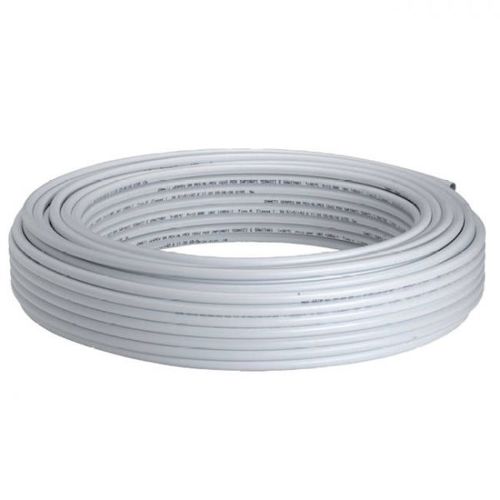
PressIT Heating Water Coil Non Insulated MLCP 16x2.0 100m

PressIT Heating/Water Coil Non Insulated MLCP 16x2.0 100m

A flexible 16mm MLCP pipe coil for heating, cooling and potable water installations where neat routing and easy handling are important.

  • Size: 16 x 2.0mm
  • Length: 100m
  • Profile: U Profile
  • Best for: smaller heating and water pipe runs

View product


PressIT Heating Water Coil Non Insulated MLCP 20x2.0 100m

PressIT Heating/Water Coil Non Insulated MLCP 20x2.0 100m

A 20mm MLCP pipe coil for heating, cooling and potable water systems where a medium pipe size is required.

  • Size: 20 x 2.0mm
  • Length: 100m
  • Profile: U Profile
  • Best for: medium branch routes, water pipework and manifold feeds

View product


PressIT Heating Water Coil Non Insulated MLCP 32x3.0 50m

PressIT Heating/Water Coil Non Insulated MLCP 32x3.0 50m

A larger 32mm MLCP pipe coil for heating, cooling and potable water systems where greater pipe capacity is required.

  • Size: 32 x 3.0mm
  • Length: 50m
  • Profile: U Profile
  • Best for: larger distribution pipework and main runs

View product


PressIT Heating Water Straight Press Coupling 16x16

PressIT Heating/Water Straight Press Coupling 16x16

A straight press coupling for joining compatible 16mm MLCP pipe in heating and domestic water systems.

  • Connection: 16mm to 16mm
  • Profile: U Profile
  • Best for: straight pipe-to-pipe connections

View product


PressIT Heating Water Straight Press Coupling 20x20

PressIT Heating/Water Straight Press Coupling 20x20

A 20mm straight press coupling for connecting compatible MLCP pipework in heating and water installations.

  • Connection: 20mm to 20mm
  • Profile: U Profile
  • Best for: medium pipe runs and straight MLCP connections

View product


PressIT Heating Water Straight Press Coupling 32x32

PressIT Heating/Water Straight Press Coupling 32x32

A 32mm straight press coupling for larger compatible MLCP heating and water pipework.

  • Connection: 32mm to 32mm
  • Profile: U Profile
  • Best for: larger straight pipe-to-pipe connections

View product


Emmeti Connector MLCP to Copper 16x2 15mm

Emmeti Connector - MLCP to Copper 16x2 - 15mm

A useful transition connector for connecting compatible 16x2 MLCP pipework to 15mm copper pipe.

  • Connection: 16x2 MLCP to 15mm copper
  • Best for: retrofit work and mixed pipe systems
  • Useful for: connecting new MLCP routes into existing copper pipework

View product


Emmeti Gerpex MLCP to Copper Transition Fitting 20x2 22mm

Emmeti Gerpex MLCP to Copper Transition Fitting 20x2 - 22mm

A Gerpex transition fitting for connecting compatible 20x2 MLCP pipe to 22mm copper compression or press fittings.

  • Connection: 20x2 MLCP to 22mm copper
  • Profile: TH Profile
  • Best for: adapting MLCP to copper in retrofit installations

View product


Emmeti Gerpex MLCP to Copper Transition Fitting 32x3 28mm

Emmeti Gerpex MLCP to Copper Transition Fitting 32x3 - 28mm

A transition fitting for connecting compatible 32x3 Gerpex MLCP pipe to 28mm copper compression or press fittings.

  • Connection: 32x3 MLCP to 28mm copper
  • Profile: TH Profile
  • Best for: larger mixed MLCP and copper pipe systems

View product


When to Use Insulated MLCP Pipe

Use insulated MLCP pipe where pipe protection, heat loss reduction or colour identification is important.

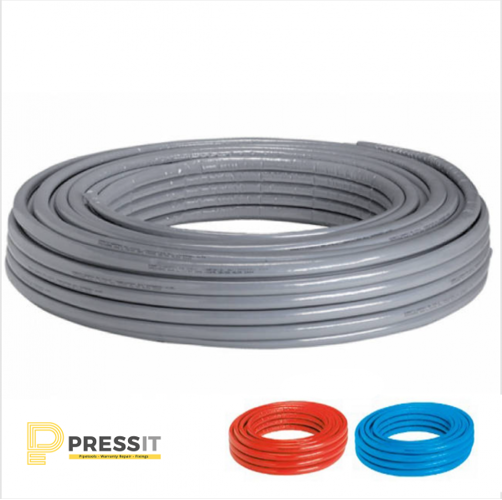
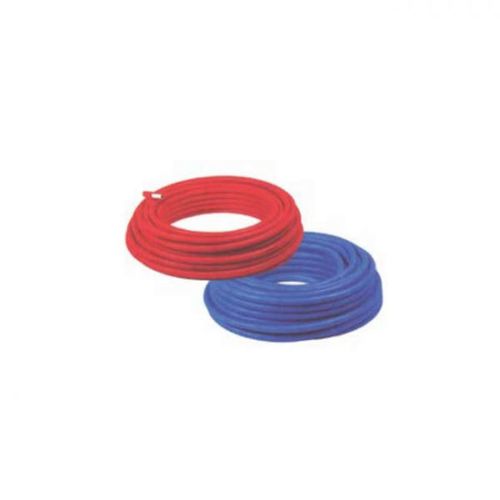
Insulated MLCP coils are especially useful for heating pipework, longer routes and areas where pipework needs an added protective layer. Red and blue options can also help make pipe routes easier to identify during installation and maintenance.


When to Use MLCP to Copper Transition Fittings

Use MLCP to copper transition fittings when a new MLCP pipe run needs to connect into existing copper pipework or a copper-based system connection.

This is common on retrofit jobs, heating upgrades, plant room alterations and partial system replacements where not every pipe run is being changed to MLCP.

Transition scenarioProduct optionBest use
16mm MLCP to 15mm copperConnector - MLCP to Copper 16x2 - 15mmSmall retrofit connections into 15mm copper pipework.
20mm MLCP to 22mm copperConnector - MLCP to Copper 20x2 - 22mmMedium pipe routes connecting into 22mm copper.
20mm MLCP to 15mm copperPressIT Heating/Water Transition Spiggot 20x15CuAdapting 20mm MLCP to 15mm copper connections.
20mm MLCP to 22mm copperPressIT Heating/Water Transition Spiggot 20x22CuAdapting 20mm MLCP to 22mm copper connections.
32mm MLCP to 28mm copperEmmeti Gerpex MLCP to Copper Transition Fitting 32x3 - 28mmLarger MLCP to copper transitions.
32mm MLCP to 28mm copper spigotPressIT Heating/Water Transition Spiggot 32x28CuConnecting 32mm MLCP to 28mm copper routes.


When to Use Reducers and Reducing Tees

Use MLCP reducers when the pipe route needs to step down from one size to another.

This is common when a largerCP reducers when the pipe route needs to step down from one size to another.

This main run feeds smaller branch lines, or when a 32mm or 20mm pipe needs to connect into a smaller MLCP size.


When to Use MLCP Tools and Pipe Clips

Use the correct tools and accessories when preparing, bending and supporting MLCP pipe.

Calibration tools, deburring tools and bending springs help with cleaner pipe preparation and routing. Pipe clips help secure pipework to suitable walls, ceilings or boards and keep the installation tidy.

TaskUseful productWhy it helps
Preparing 16mm Gerpex pipe endsEmmeti Gerpex Pipe Calibration Tool 16mmHelps prepare 16mm pipe before fitting.
Preparing 20mm Gerpex pipe endsEmmeti Gerpex Pipe Calibration Tool 20mmHelps prepare 20mm pipe before fitting.
Preparing 32mm Gerpex pipe endsEmmeti Gerpex Pipe Calibration Tool 32mmHelps prepare 32mm pipe before fitting.
Bending 16mm MLCPEmmeti Gerpex External Bending Spring Tool 16mmHelps form controlled bends without kinking pipe.
Bending 20mm MLCPEmmeti Gerpex External Bending Spring Tool 20mmUseful for routing 20mm pipe neatly.
Deburring 20mm pipe20mm Deburring for DrillSupports cleaner pipe preparation before fitting.
Deburring 32mm pipe32mm Deburring for DrillUseful for preparing larger 32mm pipe ends.
Supporting 20mm pipe19 mm - 21 mm Plastic Flexi-hinged ClipHelps secure compatible 20mm pipework.
Supporting 32mm pipe31.8 mm - 35 mm Plastic Flexi-hinged ClipHelps secure compatible 32mm pipework.


When Not to Use MLCP Pipe Without Checking First

MLCP is versatile, but installers should always check compatibility before using it.

  • Do not mix pipe and fittings unless the manufacturer confirms compatibility.
  • Do not press fittings with the wrong jaw profile.
  • Do not assume U Profile and TH Profile fittings are interchangeable.
  • Do not use transition fittings without checking the connection type and pipe size.
  • Do not install pipe without preparing the pipe end where calibration or deburring is required.
  • Do not exceed the system guidance for temperature, pressure or application.


U Profile vs TH Profile: Why It Matters

One of the most important checks with MLCP systems is the pressing profile.

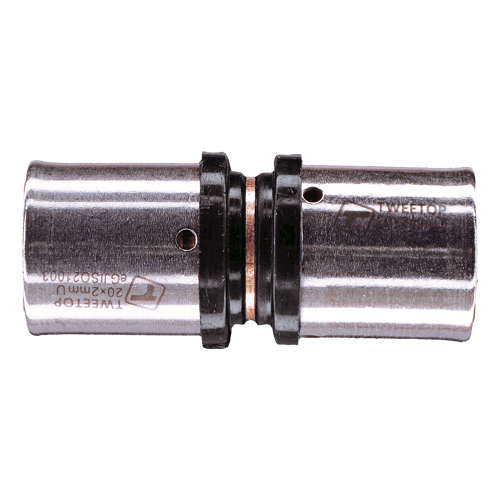
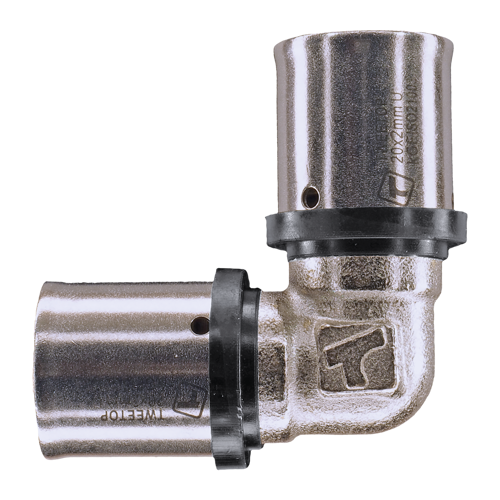
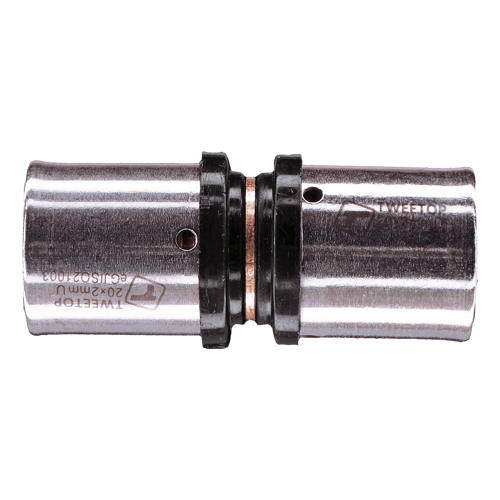
PressIT and Tweetop Heating/Water fittings commonly use U Profile. Emmeti Gerpex fittings commonly use TH Profile. The pipe, fitting and jaw must be compatible before pressing.

Product rangeCommon profileExample products
PressIT / Tweetop Heating/Water MLCPU Profile16x16 Coupling, 20x20 Coupling, 32x32 Coupling
Emmeti Gerpex MLCPTH Profile16mm Gerpex Bend, 20mm Gerpex Bend, 32mm Gerpex Bend


Quick Answer: When Should You Use MLCP?

Use MLCP pipe when you need flexible, easy-to-route pipework for heating, water, cooling, retrofit or distribution systems, especially where long pipe runs, fewer joints, neat routing and compatible press-fit connections are important.

Choose 16mm MLCP for smaller branches and tight routes, 20mm MLCP for medium runs and manifold feeds, and 32mm MLCP for larger distribution pipework and main runs.

For the full range of pipe coils, fittings, adaptors, reducers and tools, shop the PressIT MLCP and fittings collection.

View all MLCP and fittings

16mm MLCP Pipe: Coils, Fittings and Accessories for Heating and Water

16mm MLCP pipe is a popular choice for professional heating, water and retrofit installations where installers need a flexible, durable and easy-to-route pipe system.

Whether you need a non insulated 16mm multilayer pipe coil, an insulated coil, a conduit-protected option or matching press fittings, PressIT stocks a wide range of products for MLCP pipework.

Browse the full MLCP and fittings collection for 16mm pipe, fittings, adaptors, tees, bends, tools and accessories.


What is 16mm MLCP Pipe?

MLCP stands for multilayer composite pipe. It is designed to combine the flexibility of plastic pipe with the strength and dimensional stability of a metal layer.

16mm MLCP pipe is commonly used in heating and water systems because it is easy to handle, suitable for neat routing and compatible with a wide range of press fittings when the correct system and profile are used.


Common Uses for 16mm MLCP Pipe

  • Central heating pipework
  • Underfloor heating installations
  • Wall heating systems
  • Hot and cold water pipework
  • Chilled water and cooling applications
  • Retrofit plumbing routes where flexibility is helpful
  • Connections to manifolds, valves, copper pipe and threaded fittings using the correct adaptors


Why Installers Choose 16mm MLCP Pipe

  • Flexible pipe structure makes it easier to route around obstacles.
  • Multilayer construction helps provide strength and stability.
  • Smooth internal surface can support efficient flow.
  • Oxygen barrier options help protect suitable closed heating systems.
  • Insulated and non insulated coil options are available.
  • Press-fit fittings can help create fast, clean and consistent joints.
  • Compatible tools and calibration accessories help prepare pipe ends properly before fitting.


16mm MLCP Pipe Options at PressIT

Product typeBest forTypical products
Non insulated 16mm MLCP pipeGeneral heating and water pipe runs where separate insulation is not required100m, 200m and 500m MLCP coils
Insulated 16mm MLCP pipePipe runs where insulation helps reduce heat loss and protect pipeworkRed, blue and grey insulated MLCP coils
MLCP in corrugated conduitPipe runs where extra pipe protection and easier identification may be usefulRed and blue conduit coils
Press fittingsCreating joints, bends, branches and system connectionsCouplers, elbows, tees, stop ends and threaded fittings
Transition fittingsConnecting MLCP to copper or other compatible pipeworkMLCP to copper connectors and transition spigots
Tools and accessoriesPreparing and bending 16mm MLCP pipe correctlyCalibration tools and external bending springs


Pressing Profiles: Check Compatibility Before Installing

Different MLCP systems can use different pressing profiles, so it is important to match the pipe, fittings and jaws before installation.

Always check the product page, fitting markings and manufacturer guidance before pressing.

RangeCommon profile shownInstaller note
PressIT / Tweetop Heating/Water MLCP fittingsU ProfileUse compatible U Profile jaws and follow the system instructions.
Emmeti Gerpex MLCP fittingsTH ProfileUse compatible TH Profile tooling for Gerpex press fittings.


Featured 16mm MLCP Pipe Coils

PressIT Heating Water Coil Non Insulated MLCP 16x2.0 100m

PressIT Heating/Water Coil Non Insulated MLCP 16x2.0 100m

A flexible non insulated 16mm MLCP pipe coil for heating, cooling and water installations where a clean, easy-to-handle pipe run is needed.

  • Size: 16 x 2.0mm
  • Length: 100m
  • Best for: general heating, water and cooling pipe runs

View product


PressIT Heating Water Coil Insulated MLCP 16x2.0 Red 100m

PressIT Heating/Water Coil Insulated MLCP 16x2.0 Red 100m

An insulated 16mm MLCP pipe coil suited to heating pipe runs where insulation and clear pipe identification are useful on site.

  • Size: 16 x 2.0mm
  • Length: 100m
  • Best for: insulated heating pipe runs

View product


Emmeti Gerpex MLCP Coil 16x2 200m

Emmeti Gerpex MLCP Coil 16x2 - 200m

A Gerpex 16x2 MLCP coil for hot and cold plumbing, heating and chilled water applications when installed with compatible Gerpex fittings.

  • Size: 16 x 2mm
  • Length: 200m
  • Best for: Gerpex MLCP pipe installations

View product


Emmeti Gerpex Insulated MLCP 16x2 Blue 10mm Thick 50m Coil

Emmeti Gerpex Insulated MLCP 16x2 Blue 10mm Thick - 50m Coil

A blue insulated 16mm Gerpex MLCP coil for neat, protected and identifiable pipe runs in compatible plumbing and heating systems.

  • Size: 16 x 2mm
  • Length: 50m
  • Best for: insulated Gerpex pipe runs

View product


Emmeti Gerpex MLCP in Corrugated Conduit 16x2 Red 50m Coil

Emmeti Gerpex MLCP in Corrugated Conduit 16x2 Red - 50m Coil

A conduit-protected 16mm MLCP coil for installations where additional pipe protection and colour identification may be helpful.

  • Size: 16 x 2mm
  • Length: 50m
  • Best for: protected pipe routes and colour-coded runs

View product


Featured 16mm MLCP Fittings and Adaptors

PressIT Heating Water Straight Press Coupling 16x16

PressIT Heating/Water Straight Press Coupling 16x16

A straight 16x16 press coupling for joining compatible 16mm MLCP pipe in heating and water systems.

  • Connection: 16mm to 16mm
  • Profile: U Profile
  • Best for: straight pipe-to-pipe connections

View product


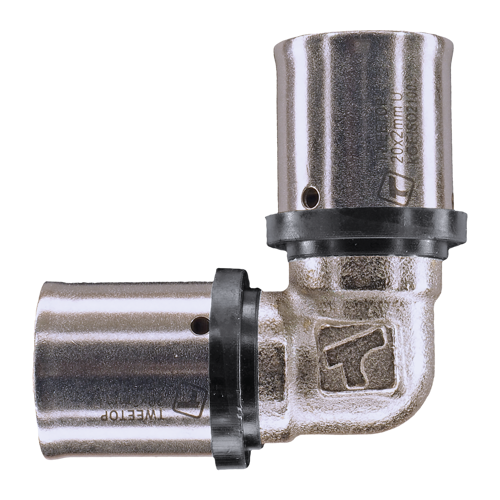
PressIT Heating Water 90 Degrees Bend 16x16

PressIT Heating/Water 90degrees Bend 16x16

A 16x16 elbow fitting for creating a neat 90 degree change of direction in compatible PressIT MLCP pipework.

  • Connection: 16mm to 16mm
  • Profile: U Profile
  • Best for: directional changes in MLCP pipework

View product


PressIT Heating Water Equal Tee 16x16x16

PressIT Heating/Water Equal Tee 16x16x16

An equal tee fitting for creating a 16mm branch connection in compatible MLCP heating and water installations.

  • Connection: 16mm x 16mm x 16mm
  • Profile: U Profile
  • Best for: branch connections and system layouts

View product


16 mm x Adaptor Female Union

16 mm x ¾" Adaptor Female Union

A female union adaptor for connecting compatible 16mm MLCP pipework to threaded system components.

  • Connection: 16mm MLCP to female union
  • Best for: adapting pipework to threaded fittings
  • Useful for: manifolds, valves and system connections

View product


Emmeti Connector MLCP to Copper 16x2 15mm

Emmeti Connector - MLCP to Copper 16x2 - 15mm

A practical connector for transitioning 16mm MLCP pipe to compatible 15mm copper pipework.

  • Connection: 16x2 MLCP to 15mm copper
  • Best for: retrofit work and mixed pipe systems
  • Useful for: joining MLCP to existing copper runs

View product


Emmeti Gerpex 90 Degrees Bend 16mm

Emmeti Gerpex 90degrees Bend 16mm

A TH Profile Gerpex 16mm bend for creating a secure 90 degree direction change in compatible Gerpex MLCP systems.

  • Connection: 16mm Gerpex
  • Profile: TH Profile
  • Best for: Gerpex MLCP direction changes

View product


Emmeti Gerpex Equal Tee 16mm

Emmeti Gerpex Equal Tee 16mm

A 16mm Gerpex equal tee for creating branch connections in compatible hot and cold plumbing, heating and chilled water systems.

  • Connection: 16mm x 16mm x 16mm
  • Profile: TH Profile
  • Best for: Gerpex branch connections

View product


Emmeti Gerpex MLCP to Copper Transition Fitting 16x2 15mm

Emmeti Gerpex MLCP to Copper Transition Fitting 16x2 - 15mm

A transition fitting for connecting compatible 16x2 MLCP pipe to 15mm copper pipework or suitable copper fittings.

  • Connection: 16x2 MLCP to 15mm copper
  • Best for: connecting Gerpex MLCP to copper
  • Useful for: upgrades, extensions and mixed-system installations

View product


Useful 16mm MLCP Tools

Emmeti Gerpex External Bending Spring Tool 16mm

Emmeti Gerpex External Bending Spring Tool 16mm

A useful tool for forming bends in 16mm multilayer composite pipe without kinking the pipe.

  • Size: 16mm
  • Best for: helping form controlled bends
  • Useful for: neat pipe routing on site

View product


Emmeti Gerpex Pipe Calibration Tool 16mm

Emmeti Gerpex Pipe Calibration Tool 16mm

A calibration tool for preparing 16mm Gerpex pipe ends before fitting, helping installers create a cleaner, more reliable connection.

  • Size: 16mm
  • Best for: preparing pipe ends before fitting
  • Useful for: Gerpex MLCP installations

View product


Choosing the Right 16mm MLCP Product

NeedRecommended optionWhy it helps
Long pipe runs16mm MLCP coilsCoiled pipe reduces the number of joints needed across longer routes.
Heating pipeworkInsulated red MLCP coilsHelps identify heating pipework and provides an insulated outer layer.
Cold water or return routesBlue insulated MLCP coilsUseful for clear pipe identification in mixed installations.
Direction changes16mm elbows and 90 degree bendsCreates neat changes in direction without forcing the pipe.
Branch connections16mm equal tees and reducing teesAllows pipework to split to additional outlets or circuits.
Connecting to copperMLCP to copper transition fittingsUseful when combining multilayer pipe with existing copper pipework.
Preparing pipe endsCalibration toolsHelps prepare the pipe before inserting and pressing compatible fittings.


Installation Tips for 16mm MLCP Pipe

  • Always use pipe and fittings from compatible systems.
  • Check whether the fitting requires U Profile or TH Profile jaws before pressing.
  • Cut the pipe cleanly and square before preparing the end.
  • Use a calibration tool where required by the system.
  • Avoid kinking the pipe during bends. Use a bending spring where needed.
  • Check pipe depth, fitting alignment and jaw placement before pressing.
  • Pressure test the installation according to the relevant system guidance.


Shop 16mm MLCP Pipe and Fittings at PressIT

PressIT supplies 16mm MLCP pipe, insulated MLCP coils, Gerpex pipe, press fittings, transition adaptors and installation tools for professional plumbing and heating work.

From simple straight couplers to full pipe coils and specialist connectors, the range gives installers a practical choice for heating, water and retrofit projects.

View all MLCP and fittings